
Ever mixed two colours expecting something wonderful and ended up with mud? Or mixed a colour that looked promising on the palette, only to find that it became dull or jarring when you put it next to another colour in your painting?
Colour can be surprising, and not always in a good way. Understanding a little more about how colours mix and relate to one another can make the process of painting more predictable — while still leaving plenty of room for creativity and discovery.
In this hands-on workshop you’ll explore colour through looking, mixing, experimenting and making choices.
First, you’ll learn to see colour. You’ll look closely at different colours and create a quick colour wheel using warm and cool versions of the primary colours. This will become a useful reference tool for understanding colour relationships and identifying complementary colours.
Then you’ll mix. You’ll investigate how many colours you can create from just a few colours, beginning with a three-colour palette and experimenting with different combinations. You’ll record your discoveries on colour palette sheets and create painted swatches, with recipes on the back for colours you want to remember. You’ll also experiment with what happens when you introduce white and black.
As you mix, you’ll understand. We’ll explore four important aspects of colour — value, saturation, temperature and harmony — what they mean, how they affect the way we see colour, and how they can be created and changed through mixing and colour relationships.
Finally, you’ll use what you’ve discovered. You’ll experiment with putting colours together and see how differences in value, saturation and temperature can make a colour pop or sing, recede or become more harmonious with its surroundings. Rather than simply hoping a colour combination works, you’ll begin to make more purposeful colour choices.
The emphasis throughout is on looking, mixing, experimenting and discovering rather than getting things “right”. You won’t be asked to draw or make a painting. Instead, you’ll create your own unique reference materials – colour wheels, swatches and colour palette sheets – to take home and use when creating your own work. At the end of the workshop you’ll be looking at colour in a new way and more practised at investigating colour to find the best ones for your work.
We’ll be using acrylic paint on the day, however what you learn translates into any medium.
Come and explore colour, solve a few of its mysteries, and discover what you can make it do.
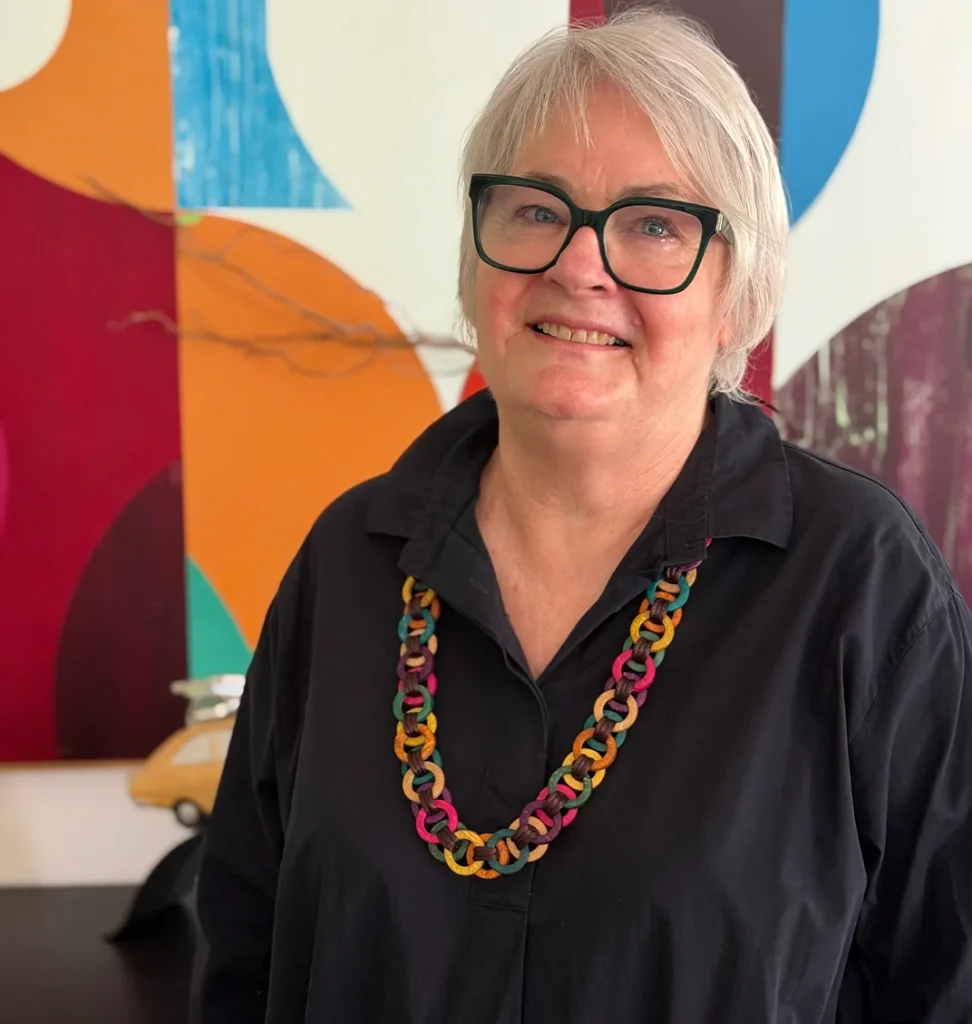
Jan Allsopp is a local artist and maker based in Valla Beach. Her practice spans painting, ceramics, video, installation and interactive work, and she has been making and exhibiting art for many years. She is particularly interested in the possibilities that come from experimenting, working within constraints and allowing unexpected things to happen.
Jan enjoys sharing the ways of looking, thinking and making that have developed through her own practice, and her workshops are designed to be welcoming, practical and enjoyable — with plenty of room for play, curiosity and discovery.
All materials are provided, however you’re welcome to bring your own paints and brushes.
Optional Colour Mixing Paints Package
If you want to set yourself up with the colour palette used in this workshop let the Hillform Team know. We can arrange a pack of quality acrylic paints for your ongoing practice and that can be used for Jan’s future Hillform workshops.
Questions? Email info@hillform.com.au